 rotary jointsrotary joints
Search the whole station
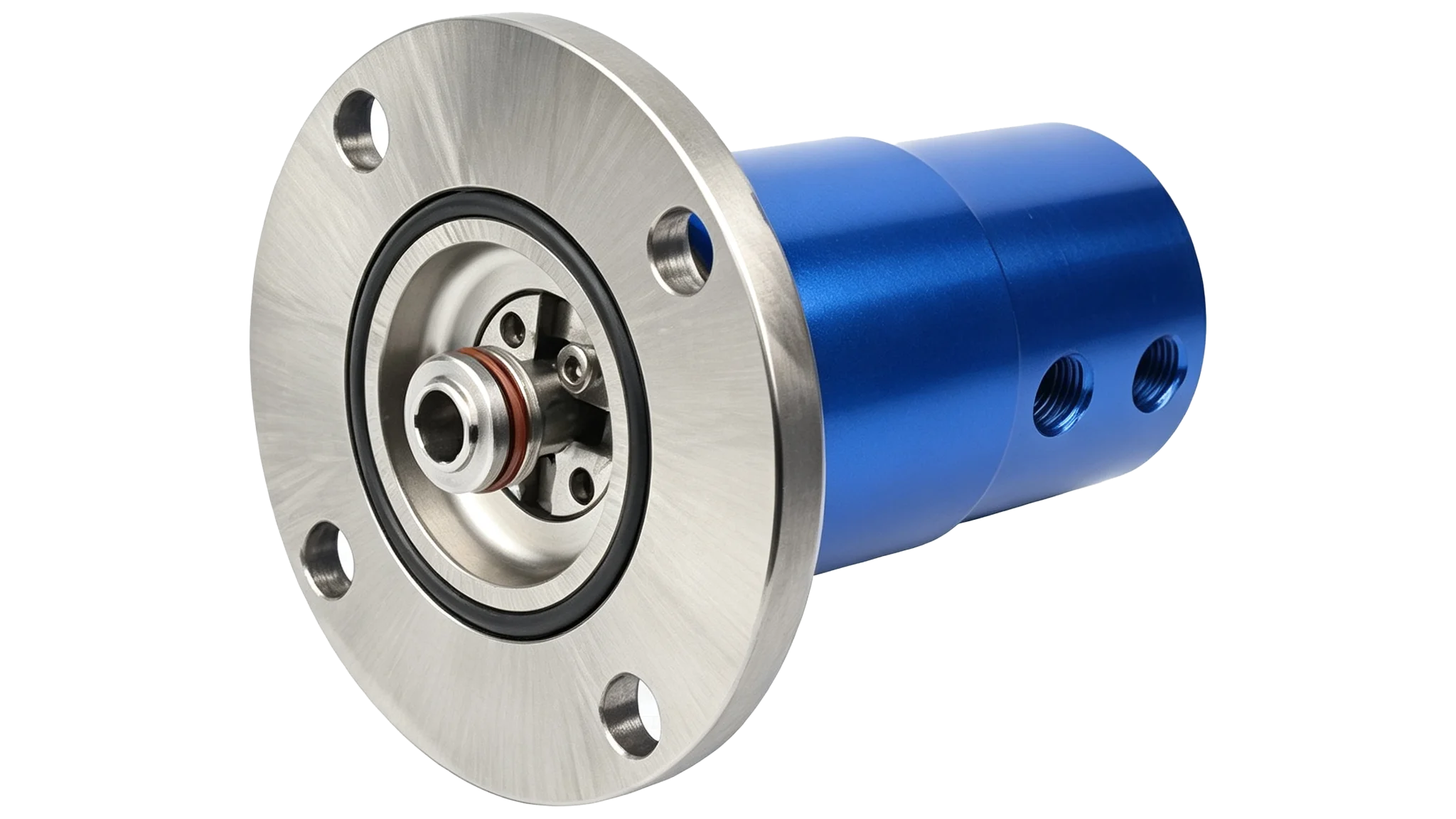
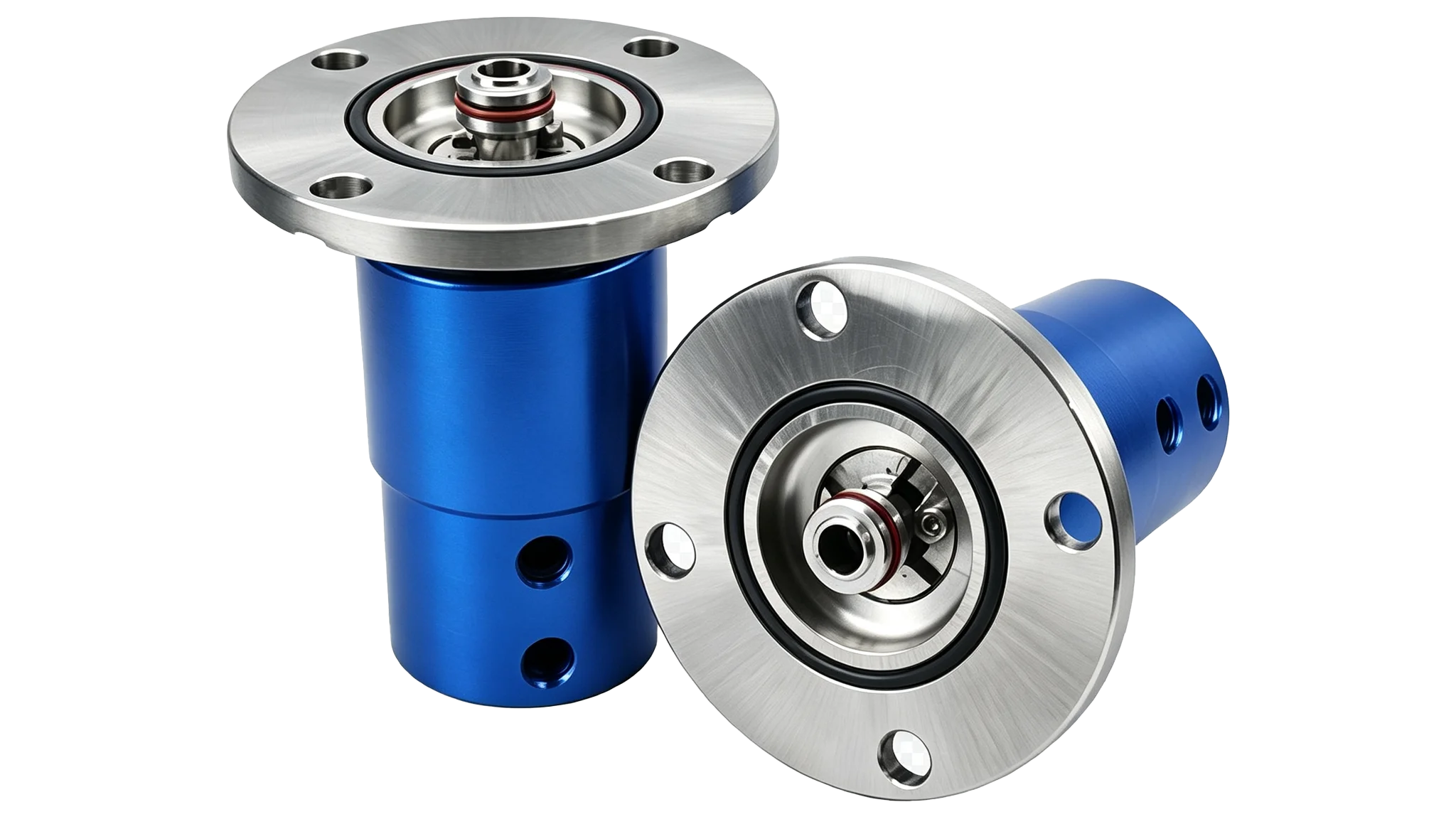
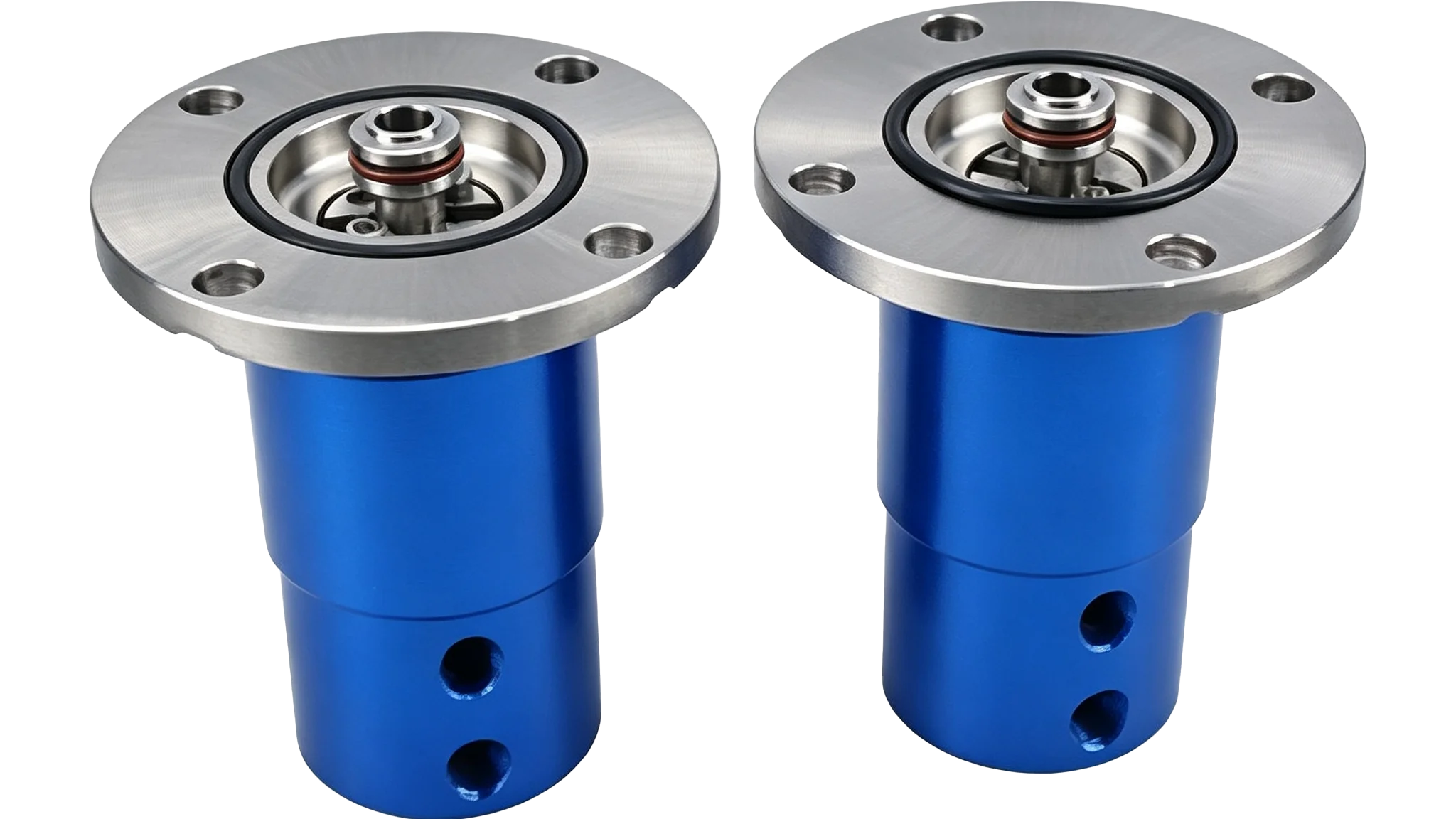
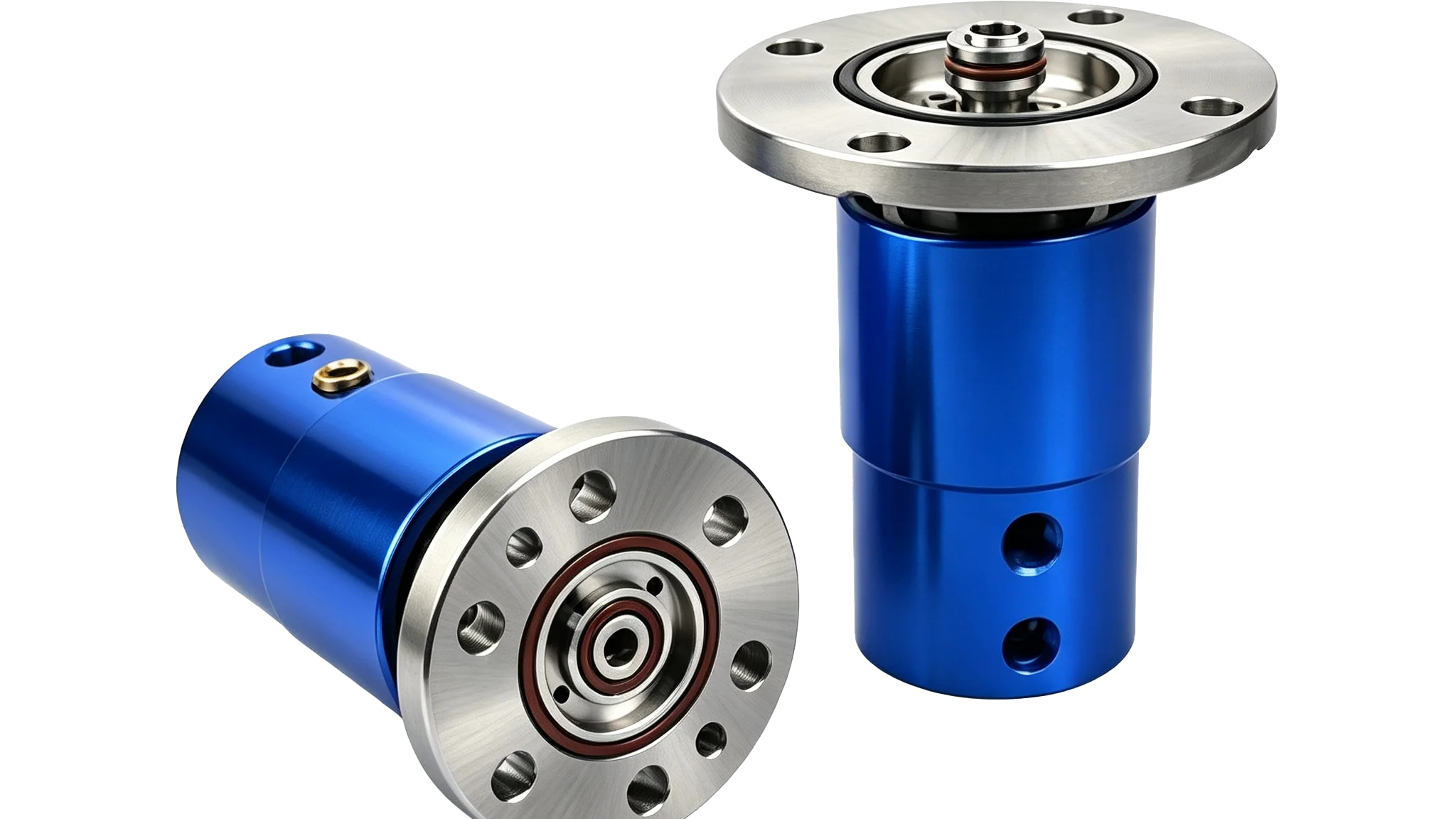
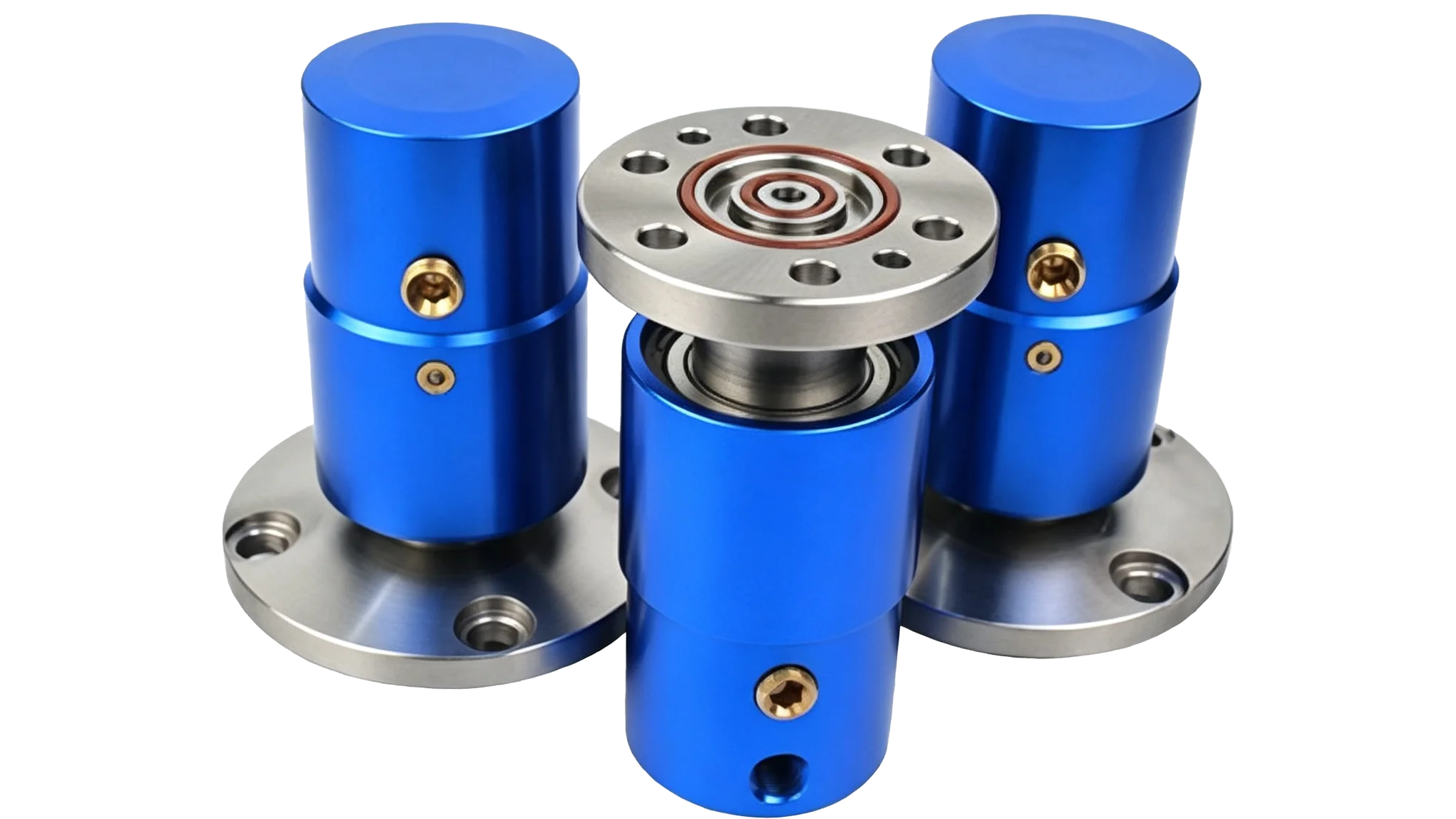
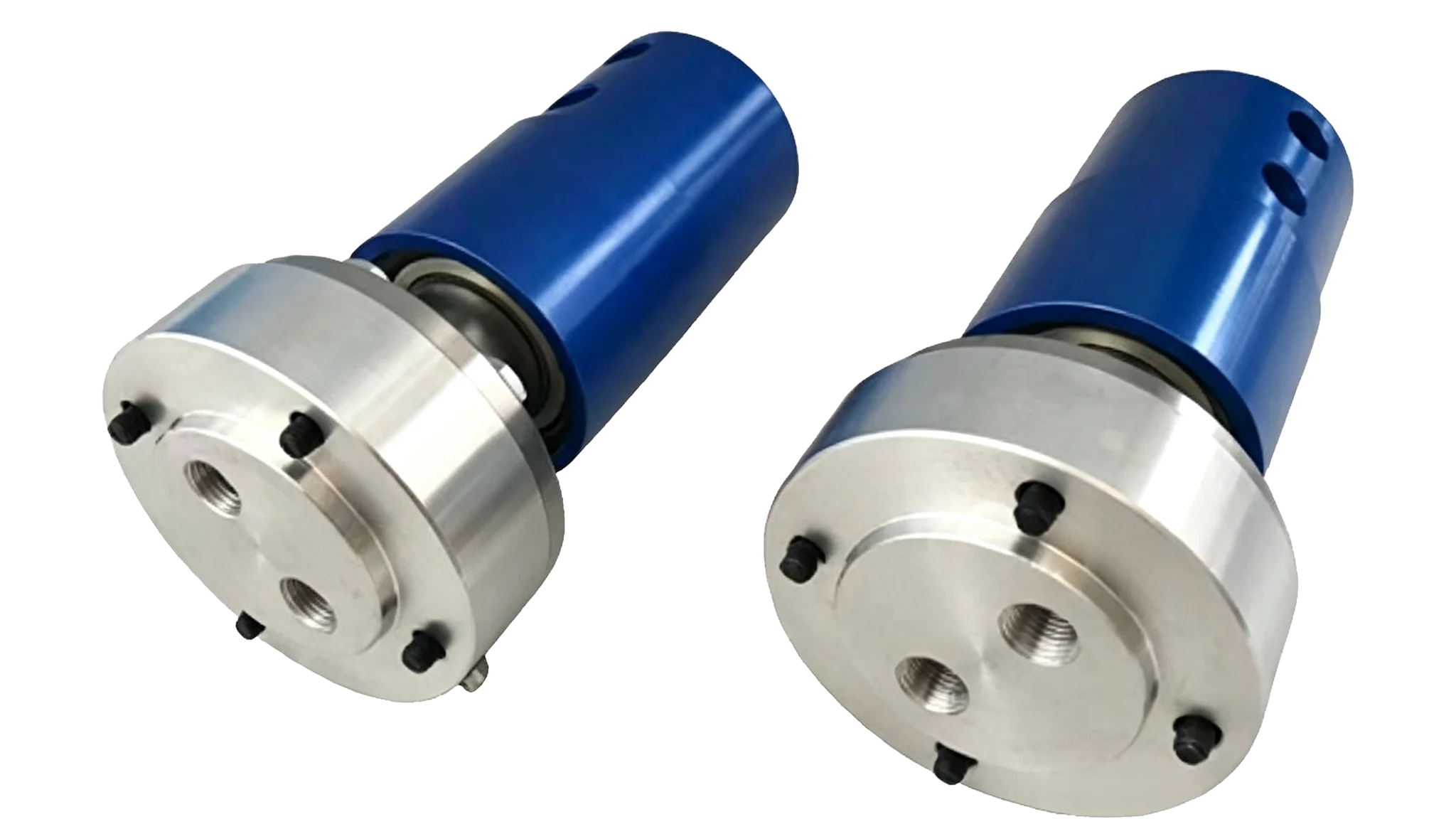
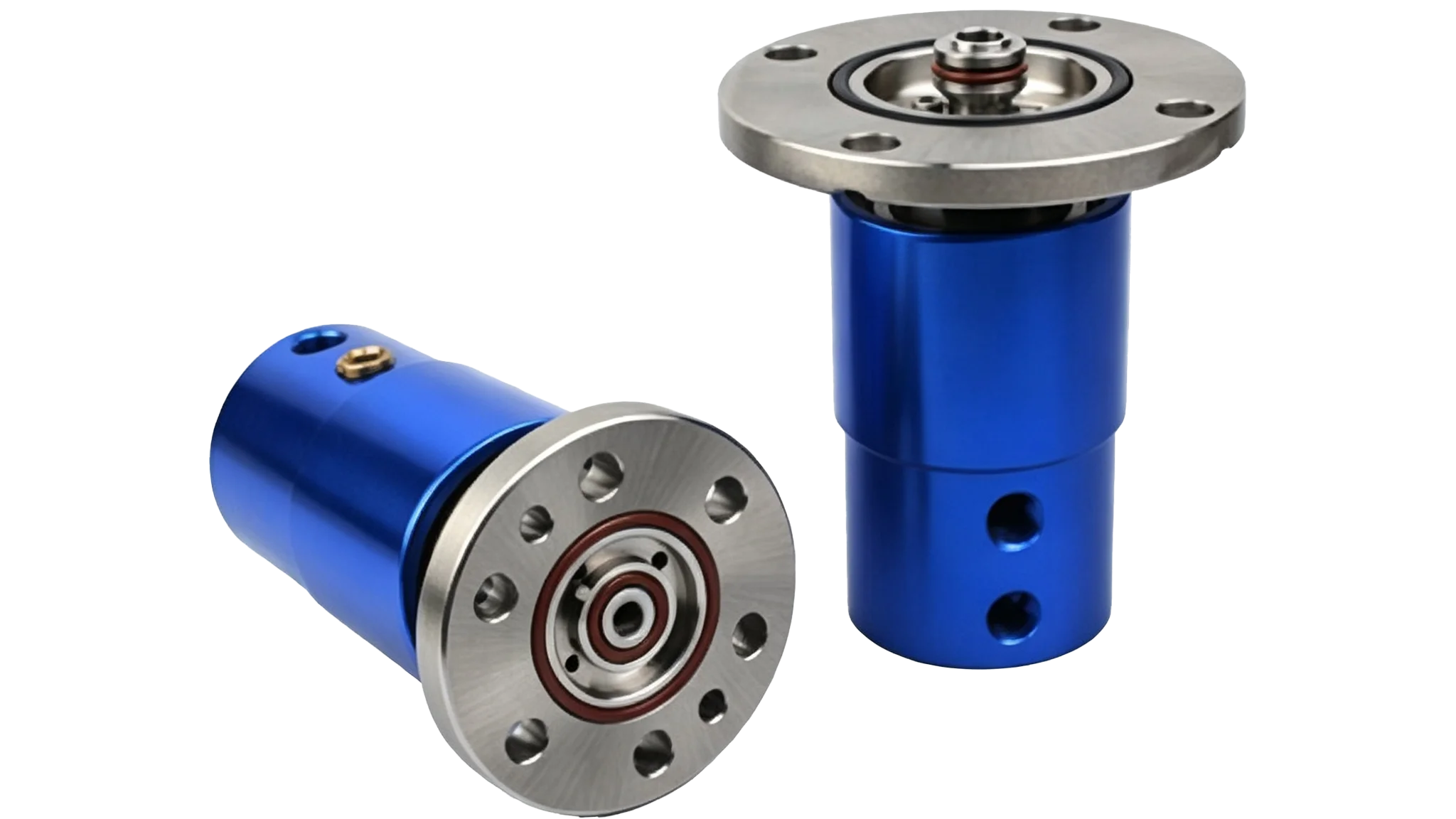
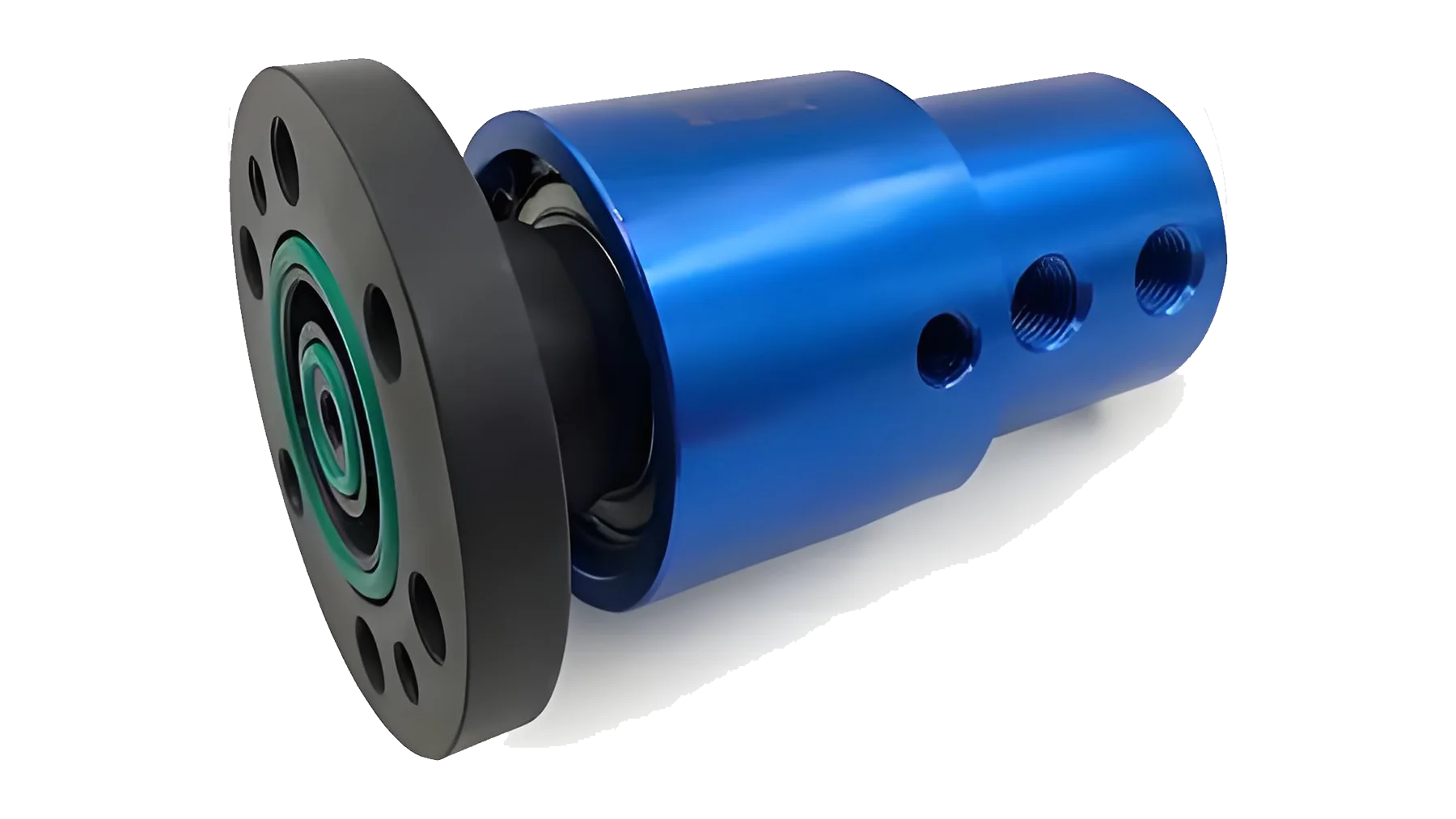
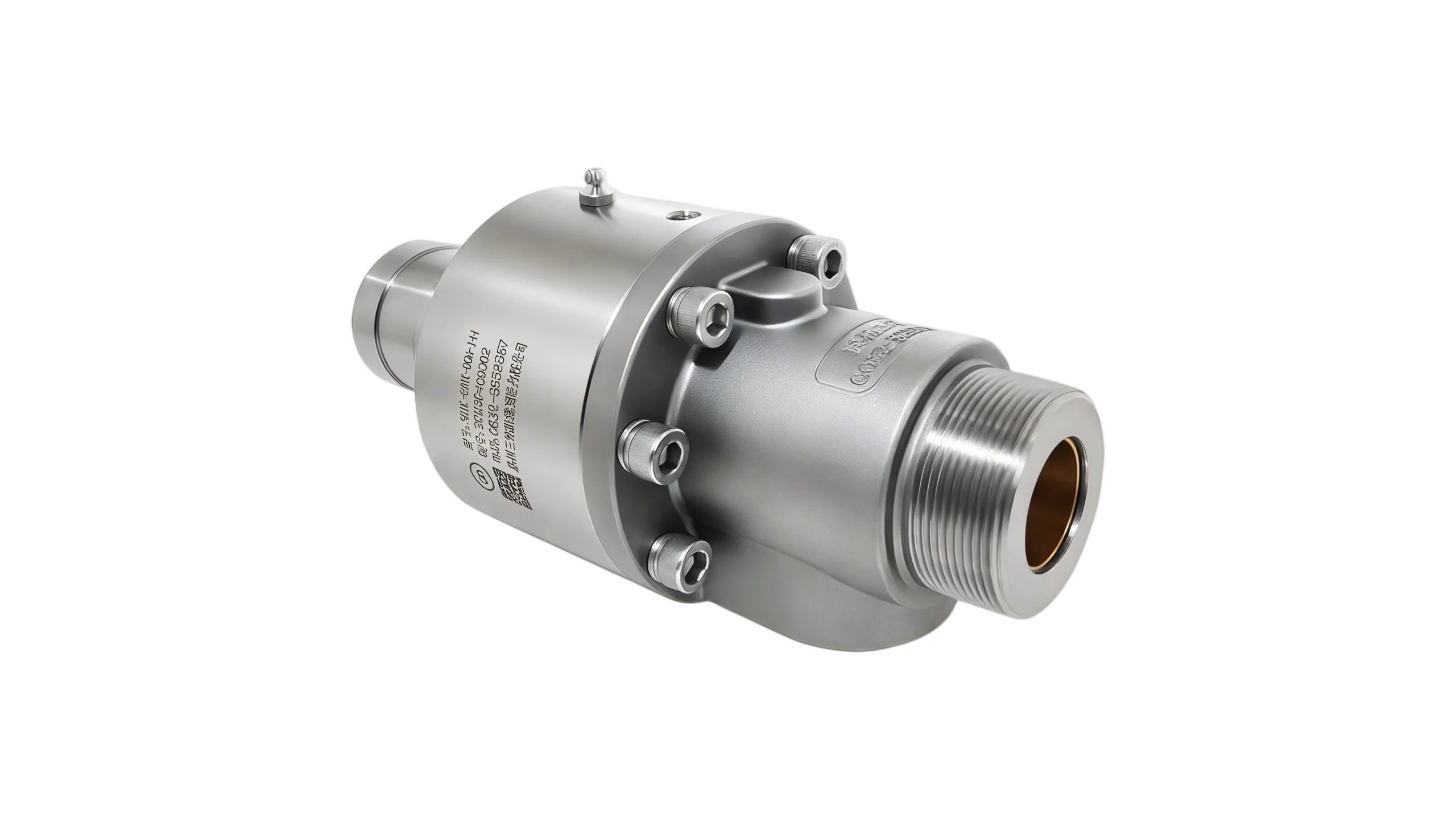
The 2620 series high-speed rotary joint is a reliable dual channel rotary joint designed specifically for high-speed rotating machine tool components that require two different media channels.
The 2620 series high-speed rotary joint is a reliable dual channel rotary joint designed specifically for high-speed rotating machine tool components that require two different media channels. Due to the cold operation of the joint, it is highly suitable for machine tool spindles and is recommended for use in plate clamps and rotary cylinders. Two independent channels for applications such as clamping and loosening
Each channel adopts a balanced mechanical seal, which can extend the service life and reduce torque even under high pressure
A closed sealing ring can continuously accommodate the medium
Double precision ball bearings, running smoothly
Maze system can protect ball bearings
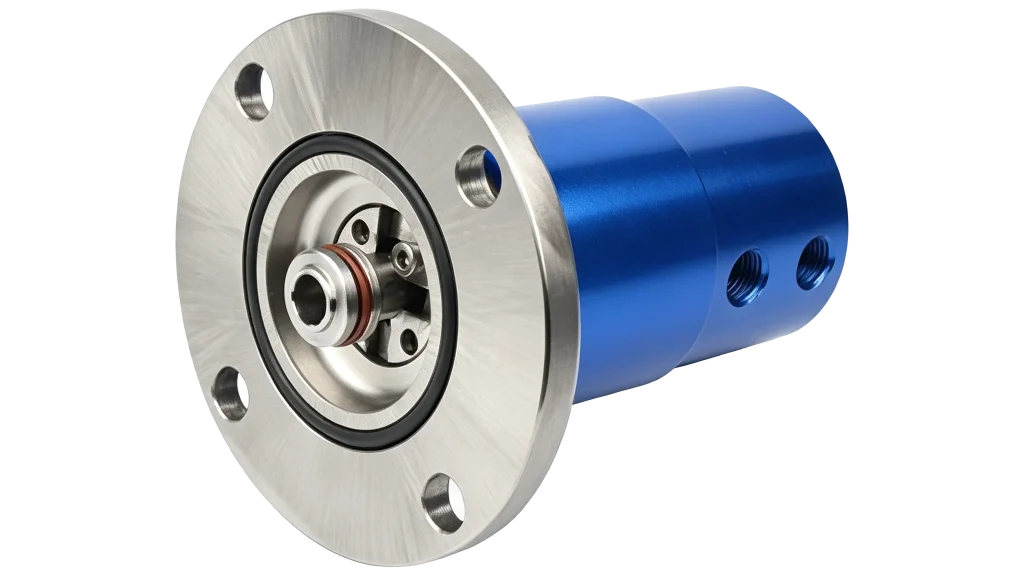
If you manage complex industrial machinery, you know that reliable fluid transfer is non-negotiable. At the heart of many high-performance systems is the 2620-500-252 rotary joint. Built to endure demanding operational cycles, this component plays a critical role in optimizing coolant flow in rotating machinery. Whether you are upgrading your current manufacturing setup or designing a new processing line, understanding the capabilities of this specific model is essential for maximizing efficiency.
When evaluating the 2620 series rotary union specifications, a standout feature is its balanced seal design for high pressure. This engineering choice minimizes internal friction against the seal faces, extending the component’s lifespan even under extreme processing conditions.
Additionally, maintenance professionals frequently praise the silicon carbide mechanical seal benefits found in premium variations of this unit. Silicon carbide offers superior wear resistance and thermal conductivity compared to standard carbon seals. When deciding on exterior materials, it is also worth considering brass housing versus aluminum rotary joints. Brass typically provides superior durability and corrosion resistance for water-based coolants, whereas aluminum offers a highly effective, lightweight alternative for air or less aggressive media.
Before integrating new hardware, it is helpful to understand the rotary union vs swivel joint differences. While swivel joints accommodate slow, oscillating movements (like a loading arm), rotary unions are engineered for continuous, high-speed, 360-degree rotation.
Depending on your system’s exact needs, there are several rotary joint types available. For operations requiring simultaneous supply and return lines within a single unit, consulting a dual flow rotary union configuration guide will ensure proper separation of media. This specialized setup is especially vital when installing fluid handling equipment for printing presses or heavy-duty CNC milling machines.
Proper setup dictates long-term performance. If you are wondering how to install a high-speed rotary joint, always ensure perfect concentric alignment between the machine spindle and the joint. Misalignment is a primary cause of vibration and premature bearing wear.
For ongoing care, bearing-supported rotary joint maintenance should be a top priority. Regularly lubricating the external bearings (if they are not sealed for life) and monitoring vibration levels are crucial steps in maintaining cooling system rotating unions at peak performance.
Even the highest quality 2620-500-252 rotary joint requires occasional troubleshooting. Keep an eye out for these operational anomalies:
When a breakdown occurs, replacing worn out mechanical seals promptly prevents catastrophic damage to the entire rotating assembly and prevents costly fluid waste.
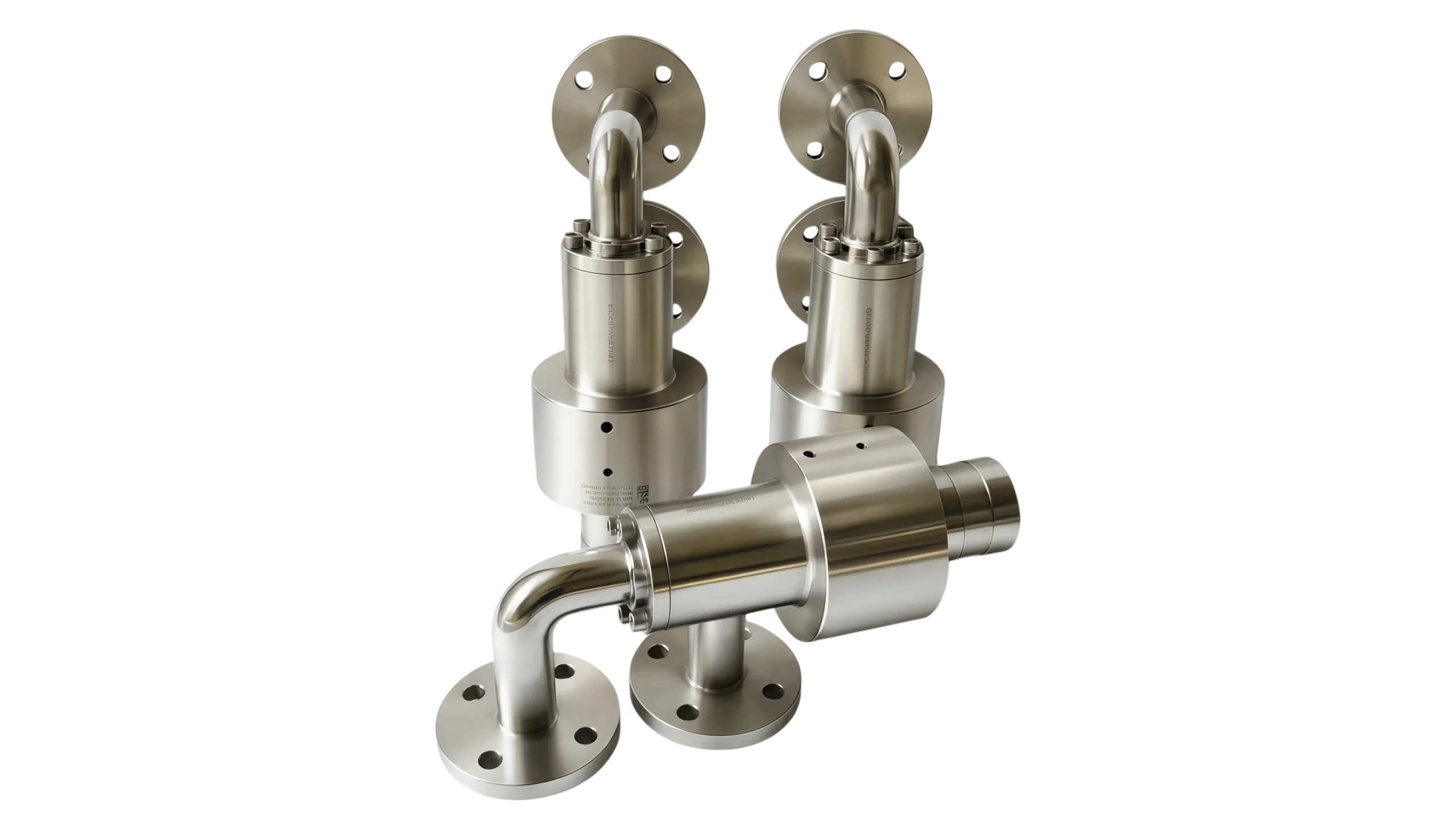
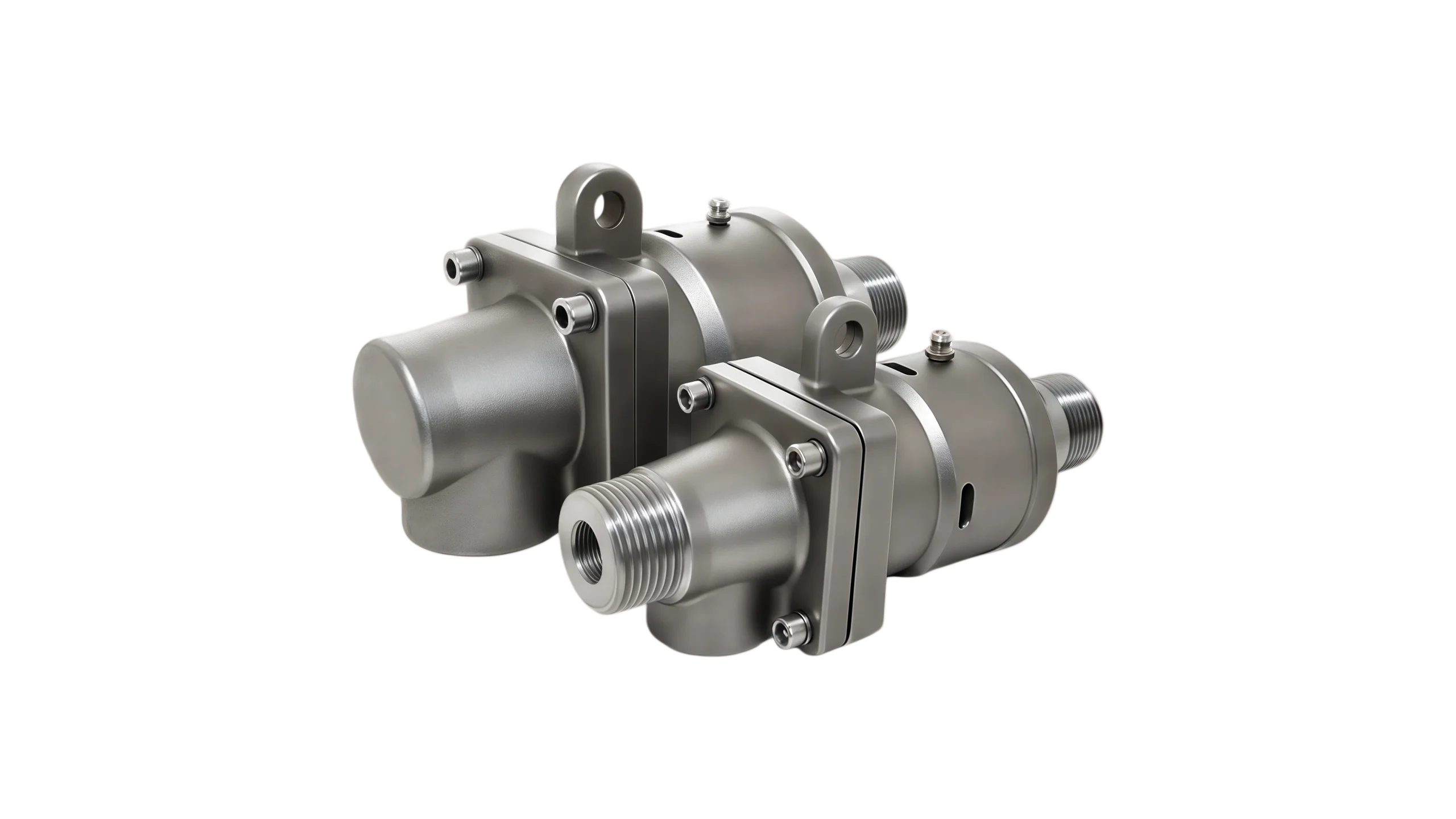
A rotary joint is a sealing device that connects stationary pipelines and rotating equipment, achieving leak free fluid transmission under 360 ° rotation. It allows fluid media to flow smoothly between fixed pipelines and rotating machines, and is a key component in industrial equipment
F90 swivel unions Transporting equipment components from a fixed pipeline system to high-speed rotating or reciprocating motion
Q32 swivel unions
JD40 rotary joint is a key sealing component in industrial fluid transmission systems, usually referring to a rotary connection device with a diameter of DN40 (or corresponding British caliber). As a transitional sealing device that transports fluid media (such as water, steam, hydraulic oil, thermal oil, compressed air, etc.) from static pipelines to dynamic rotating or swinging equipment